



Quick Answer
Digital signage screens increase engagement and sales because they update instantly, move, and grab attention in ways static signs simply can’t. A well-placed digital signage display turns routine information, pricing, promotions, or a simple welcome message into something customers actually notice, and commercial-grade screens keep that content sharp and reliable in busy South African retail and hospitality spaces.
What Is a Digital Signage Display?

A digital signage display, also called a digital signage screen or digital signage board, is a commercial-grade screen that plays managed, updatable content instead of a printed poster or menu. Unlike a TV bought for a lounge at home, a digital signage display screen is built to run all day, every day, and to be updated remotely through a content management platform. That’s the real difference between digital signage displays and ordinary consumer screens: control. You decide what plays, where, and when, without reprinting anything.
10 Ways Digital Signage Screens Increase Customer Engagement and Sales
Here are 10 concrete ways a digital signage screen earns its place on a South African retail floor, restaurant counter, or dealership showroom.
1. Real-Time Promotions Replace Static Posters
Printed posters go stale the moment a promotion ends, and reprinting costs time and money. A digital signage board connected to a cloud platform like Harmony lets you swap a promotion in minutes. Last week’s price is gone; this week’s special is live. That speed alone is worth the switch for any business running frequent offers.
2. Motion and Video Content Capture More Attention
Static signs blend into the background. Digital signage screens don’t, because movement is one of the strongest attention cues the human eye responds to. A short video loop or an animated price reveal pulls a customer’s eye toward your counter, shelf, or entrance far more reliably than a laminated sign ever will.
3. Window-Facing Displays Convert Passersby Into Footfall
A digital signage display screen facing the street turns window shoppers into actual customers, a point DMX explores in more depth in turning window shoppers into customers with retail display screens. Passing foot traffic notices motion, colour, and a clear offer before it has even walked in, which pulls far harder than a static window sticker.
4. Dayparted Content Targets the Right Message at the Right Time
Breakfast crowd, lunch rush, evening trade: each one responds to a different message. Digital signage displays scheduled by time of day let a restaurant or retailer show the right offer to the right customer automatically, instead of running one generic loop all day.
5. Point-of-Decision Screens Drive Upsells and Cross-Sells
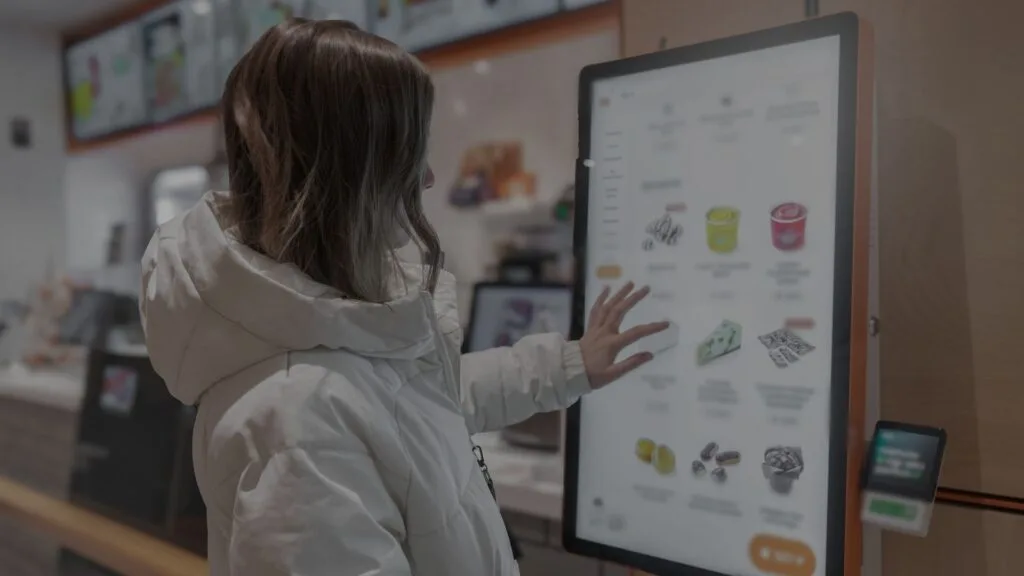
Placed near a till or fitting room, a screen showing a complementary product nudges a customer at the exact moment they’re deciding what else to buy. A digital signage display solution built around this kind of placement consistently supports a higher average basket size, because the suggestion lands right when it’s useful.
6. Centrally Managed Content Keeps Every Branch On-Brand
Franchise groups have a specific problem: keeping dozens of locations visually consistent. Centrally managed digital signage displays solve it, because head office pushes one set of content to every branch at once. DMX covers this use case in more detail on its Franchise Solutions page, where consistency across locations matters as much as the content itself.
7. Commercial-Grade Hardware Keeps Screens Reliable in High-Traffic Spaces
A consumer TV wasn’t built to run 12 hours a day in direct sunlight or a busy shopfront. Commercial-grade screens are built for that, which is why the hardware behind a digital signage display screen matters as much as the content on it. DMX’s piece on commercial vs consumer displays breaks down exactly why that distinction affects reliability and lifespan.
8. Advertising Screens Open a New Revenue Stream in Shared Spaces
In malls, forecourts, and multi-tenant buildings, a digital signage advertising screen doesn’t just promote your own business. It can carry paid space for other brands too, turning a cost into a small but real revenue line, on top of the engagement benefit the screen already delivers.
9. Menu and Price Boards Speed Up Decisions at the Counter
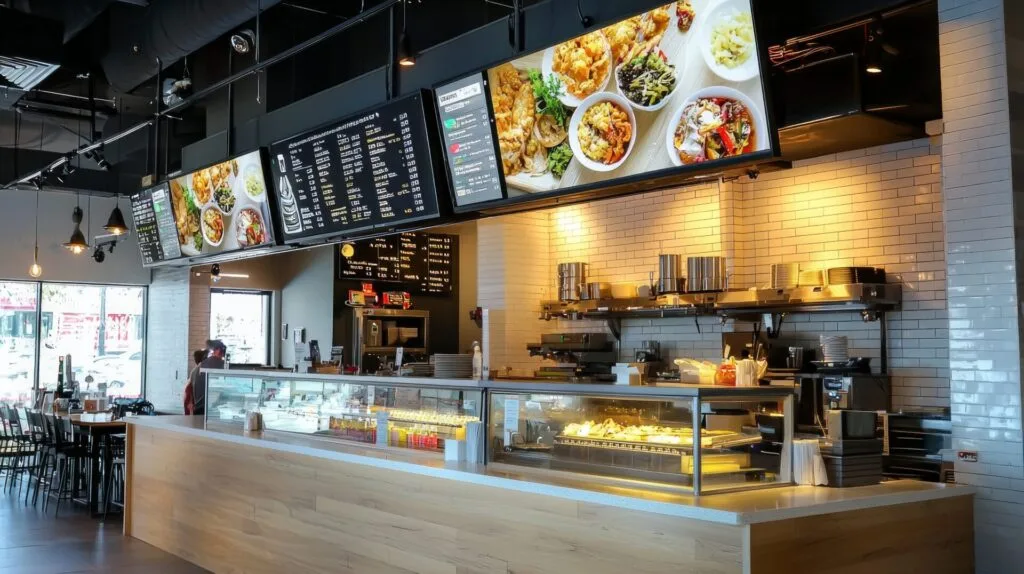
A digital signage board showing clear pricing and specials at a till or counter shortens decision time and keeps queues moving. DMX’s dedicated digital menu boards work the same way for food and beverage counters specifically, where speed at the point of order directly affects throughput.
10. Fast Content Swaps Let You Test What Actually Drives Sales
Because a digital signage display solution is managed centrally, you can change a message today and try a different one tomorrow, without printing or waiting on anything. That speed makes it far easier to find out which offer, headline, or image actually gets a customer to buy, and then run more of it.
Real-World Examples
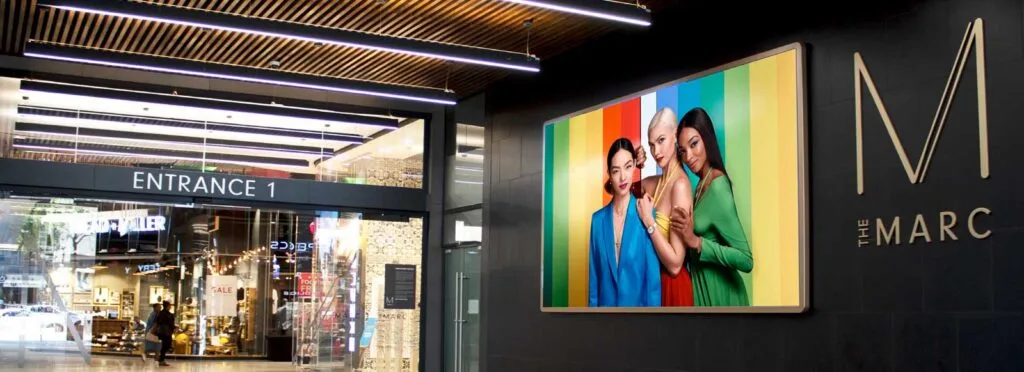
DMX Africa has delivered digital signage screens for South African brands across retail and automotive. The Marc Goes Digital with an LED Video Wall shows what a large-format digital signage display can do in a high-traffic venue, while Chery Sandton is a South African example of digital signage supporting a dealership showroom floor.